Dog Training Classes for Public Outings: Obedience Basics
Author:Arooba
Released:November 9, 2025
Taking your dog out in public should be fun, not stressful. Whether it is a walk in the park, a visit to a pet-friendly café, or a trip to the vet, good behavior makes these outings easier for both you and your dog. This is where obedience training becomes important.
Dog training classes help pets learn how to behave calmly and confidently in public places, even when there are distractions all around.
What Dogs Learn in Basic Obedience Classes
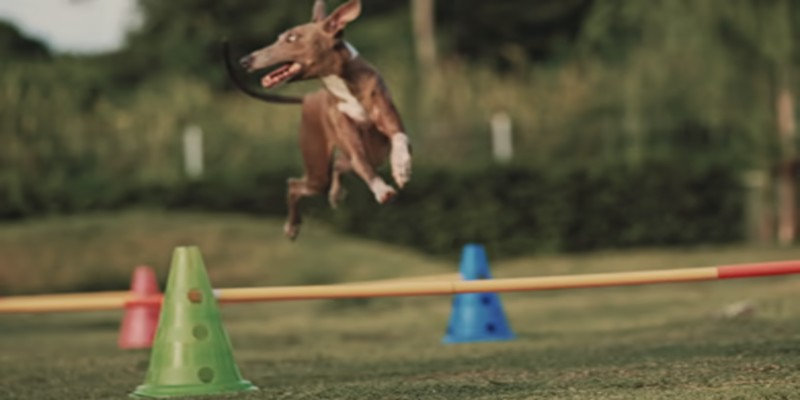
Basic obedience classes teach the foundation skills every dog needs in public. These lessons help reduce pulling, barking, jumping, and over-excitement. Most programs cover:
Sit, stay, and lie down
Walking calmly on a leash
Recall (coming when called)
Focusing on the owner, even with distractions
Dogs learn through positive reinforcement such as praise, treats, and patience. Trainers show owners how to stay consistent so dogs understand what is expected of them. Over time, these simple skills turn into reliable habits your dog can use anywhere.
Here are a few actionable tips you can practice at home alongside class:
Practice commands in short 5–10 minute sessions.
Start training in quiet spaces, then slowly add distractions.
Reward calm behavior in public
Stay consistent with commands and tone.
Avoid yelling as it confuses rather than teaches.
If your dog struggles with focus, begin by rewarding eye contact. A dog who looks at you will eventually learn to listen to you, even when the world feels exciting.
The Role of Group Training Sessions
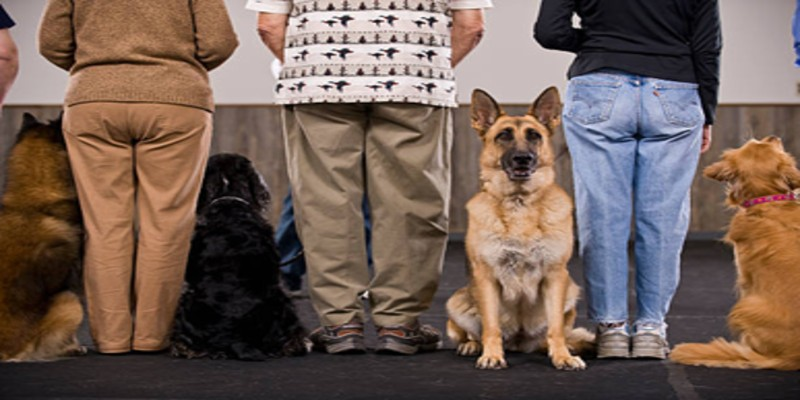
Group training sessions give dogs the chance to practice their skills around other people and pets in a safe, controlled environment. This is especially helpful for dogs that get overly excited, nervous, or easily distracted in public. During these classes, dogs learn to stay calm while other dogs walk past, people move around them, and new sounds and smells pop up.
Trainers often simulate real public situations so dogs can build confidence step by step. Owners also learn how to stay calm and respond thoughtfully rather than reacting out of emotion, which strengthens the bond and teamwork between you and your dog.
Learning Public Dog Manners
Good manners in public go beyond basic commands. Dogs learn that not every person or dog is an invitation to play. They also learn patience, impulse control, and polite behavior in shared spaces. Some classes specifically teach:
Calm greetings
Settling at a café table
Waiting at doors or crossings
Staying focused when kids, strollers, or bikes pass
Well-mannered dogs arewelcomed in more places. And outings become far less stressful.
How Pet Behavior Workshops Can Help
In addition to regular obedience classes, some owners benefit from pet behavior workshops. These workshops often focus on specific issues, such as fear, aggression, or anxiety in public settings.
Workshops usually involve smaller groups and more personal attention. Trainers may explain why certain behaviors happen and how to respond to them calmly. Behavior workshops are especially useful for dogs that struggle with confidence or have had limited social exposure.
Choosing the Right Training Class
Look for trainers who use reward-based, positive methods. Your dog should learn through praise, treats, and patience, not fear. Avoid programs that rely on harsh corrections, yelling, or punishment tools. Training should always feel calm, safe, and supportive for both you and your dog. A good trainer will explain what they’re doing and why, and they’ll encourage you to practice at home so the learning continues outside the class.
Good signs to look for include:
Small class sizes so each dog gets attention
Clear, structured lessons instead of random drills
Practice in real-life environments like parks or sidewalks
Owner education and guidance,e so you know what to do between classes
You can also look into recognized training programs or certification-based courses. These give you a clear path to follow and help your dog progress step-by-step rather than stopping after one class. Examples include:
Basic Obedience Level 1: perfect for beginners learning sit, stay, recall, and leash manners
Canine Good Citizen (CGC) prep classes are great for building polite public manners and passing a formal test
Urban or community dog programs: helpful for dogs that need confidence in busy city spaces, traffic, or crowded areas
These kinds of programs focus on steady growth. Your dog isn’t expected to be perfect right away; instead, each level builds on the last. This way, both you and your dog stay confident, supported, and motivated while learning together.
Practice Makes Progress
Training does not end when the class is over. Dogs learn best when lessons are practiced regularly at home and during outings. Short, consistent practice sessions help reinforce what your dog learns in class.
Be patient. Every dog learns at their own pace. Celebrate small improvements, and remember that mistakes are part of the learning process.
Key Benefits of Group Obedience Classes Backed by Studies
Research shows that dogs attending group obedience classes are 40% more likely to stay calm around strangers and other dogs. Social learning in structured environments improves recall, leash manners, and focus. Consistent practice in these classes reduces public anxiety, making outings safer and more enjoyable for both dogs and owners.
Turning Obedience Training into Positive Public Experiences
Dog training classes really help prepare pets for life outside the home. By learning obedience basics through group training sessions and helpful pet behavior workshops, dogs slowly understand how to stay calm and well-mannered in busy places. With patience, practice, and the right support, your dog can grow into a confident companion you can take anywhere.
Related Posts

So, Does Your Cat Actually Hate You? (Probably Not, Here's Why)

What Are Cat Zoomies? Why Cats Suddenly Race Around At Night

Male vs. Female Cat Personality: How to Choose the Best Cat for Your Lifestyle

Why Your Indoor Cat Needs A Window Perch For Mental Stimulation

Smart Flea Prevention Strategies for Year-Round Protection